
In 2026, VATS reviewers continue to make outstanding contributions to the peer review process. They demonstrated professional effort and enthusiasm in their reviews and provided comments that genuinely help the authors to enhance their work.
Hereby, we would like to highlight some of our outstanding reviewers, with a brief interview of their thoughts and insights as a reviewer. Allow us to express our heartfelt gratitude for their tremendous effort and valuable contributions to the scientific process.
Katsutoshi Seto, Aichi Cancer Center, Japan
Katsutoshi Seto
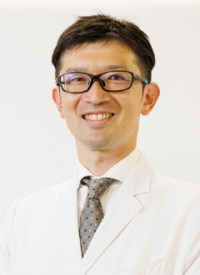
Dr. Katsutoshi Seto is a thoracic surgeon at Aichi Cancer Center, Japan, specializing in thoracic surgery. His research focuses on non-small cell lung cancer, perioperative systemic therapy, and translational research integrating genomic and pathological analyses. He has contributed to research on salvage surgery for initially unresectable lung cancer, perioperative management after chemoimmunotherapy, and prognostic biomarkers in resected lung cancer. His recent work has focused on the safety and clinical significance of complex lung resection after induction therapy, as well as tumor heterogeneity and mechanisms of disease progression. By combining high-volume surgical experience with clinical investigation, he seeks to generate practical evidence that refines surgical decision-making and improves outcomes for patients with thoracic malignancies.
VATS: Why do we need peer review?
Dr. Seto: Peer review is crucial because published research can influence both future studies and clinical practice. For that reason, manuscripts should be carefully evaluated to ensure that the methods are appropriate, the conclusions are supported by the data, and the message is relevant to readers. At the same time, peer review has an important role in identifying weaknesses that researchers themselves may not easily notice and in helping to address them before publication. Constructive comments from reviewers can improve the clarity, balance, and scientific value of a manuscript. In my view, peer review is not only a process of judgment, but also a process of refinement that strengthens both individual papers and the trustworthiness of the scientific literature.
VATS: Biases are inevitable in peer review. How do you minimize any potential biases during review?
Dr. Seto: Biases cannot be avoided completely, but they can be reduced by reviewing manuscripts in a structured manner. I try to focus on objective points, such as the importance of the research question, the appropriateness of the study design, the quality of the data, and whether the conclusions are supported by the results. In addition, I try to provide constructive comments that help improve the manuscript. For me, awareness of one’s own potential bias is the first step toward a fair and balanced review.
VATS: Why is it important for research to apply for institutional review board (IRB) approval?
Dr. Seto: IRB approval is essential because it helps ensure that research is ethically appropriate before the study begins. Independent review of the protocol allows important issues to be assessed in advance, including the scientific rationale, participant safety, informed consent, and protection of human rights. This process supports researchers in conducting studies responsibly and appropriately. If IRB review is omitted, there is a risk that research with ethical shortcomings or inadequate protection for participants may proceed. Such omission can harm participants, weaken public trust, and undermine the credibility of the research.
(by Ziv Zhang, Brad Li)
